
Welcome, it is a pleasure that you have found your way to my site.
Welcome to my memoir, or short account, shall we say, of my life delivering Psychic Tarot Reading internationally. I have decided to shelve this part of my life as I am now coming towards the end of my life here on earth.
My aspiration is that my legacy will live through this piece of work.
For the previous section of my life, I decided to stay off the internet because I believed that my Spiritual Guides would direct the people who were supposed to meet me regardless of an online presence. I think the amount people that I have worked with is the proof of that effort by Spirit. There is not a shadow of a doubt in my mind that this work has healed many people and helped them progress through their path of life.
I hope that anyone who comes across this resource will find it helpful to their life.
During my travels, I have met a tremendous amount of people and I want to use this opportunity to share ten people who I believe can pick up the baton from me.

My Ten recommended people
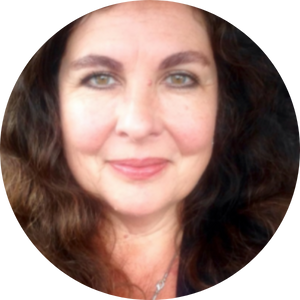
Ayleen and I had very similar beginnings in our spiritual path, which drew us towards each other. We were most undoubtedly kindred spirits who were meant to meet at that gather of like-minded people in the Netherlands. Her connection to Spirit is incredible, and she will be able to support you if you see her.
She has worked with clients from all over the world for 25+ years. Her tarot card readings can aid you in all aspects of your life: love readings, relationships, career, business decisions, finances, family issues, health, wellness, dream interpretation and spirituality.
We ended up running a few workshops together that was very successful. Both of us believe that all human beings have the answers that they need within themselves, only that the conditions have to be suitable for them to come forward to help the individual.
Ayleen is a member of A.A.P.P. (American Association of Professional Psychics). All of her readings are delivered remotely, either via video or voice call.
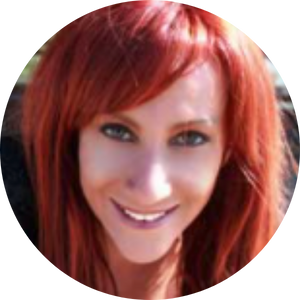
Carina is genuinely divine with her youthful spirit and healing abilities. She was so kind to me when we met in Argentina, and I can still feel her energy with me. I often connect with her in my meditation.
I would like to recommend Carina on my site because of her profound connection to Spirit. Carina is very caring, open-minded and curious about other people. I believe that she can help many more people with her tarot card readings.
Via psychic readings, she can help you get unstuck, create clarity, figure out a person or situation, see the future regarding a relationship, and help you with your romantic, professional, and spiritual life.
She is also a trained life coach and the law of attraction practitioner. At the moment, she delivers all of her services online. As you are all aware, I do not do online readings; they are just as effective as in-person readings.
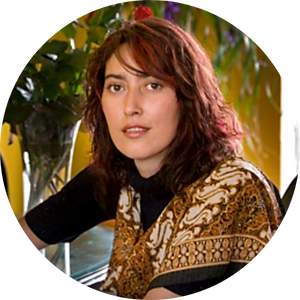
Carmen and I met at a conference for Psychics, where I talked about challenging spirits. She was like an angel from Spirit coming to me at exactly the right time. She brought forward a key message for me to hear, which gave me tremendous clarity.
I could not recommend her enough. Her approach to tarot reading is a mix of traditional and intuitive approaches. She uses the very familiar Celtic cross at most of her readings while listening to her intuition.
She can give you psychic readings on all areas of your life: love, relationship, career, personal, money, health etc.
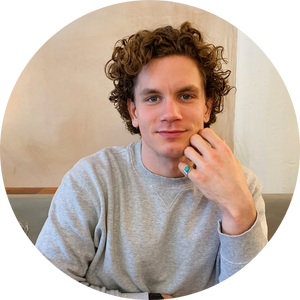
Tor has a strong, confident and courageous mind – which is exactly what you need when you decide to work in this space at this moment in time. There are many forces working against the existence of Spirit; still, his voice of reason will carry the true message of Spirit.
He is an excellent Online Psychic Tarot Reader and will be able to support you in all areas of life, as well as, develop your psychic abilities within yourself. His psychic readings are very accurate. He is very good at holding, and creating spaces for people to discover what already exists within themselves.
Because of his upbringing, strong guidance from his grandmother and spiritual teacher Ines he will be able to stand against the tidal wave of change that is coming in the future. To create clarity, calm and perspective in and amongst the fog.
Tor will be able to guide you in the right direction.
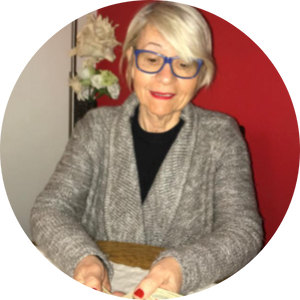
Fabienne, what a marvellous Spirit to have met – she is not much younger than me but has so much more fight left in her, which I appreciate in a fellow speaker for Spirit. Both of us started out in Paris, at the same book store, can you imagine? The world of Spirit works in mysterious ways.
When Fabienne and I finally met in Paris, it was like a homecoming to meet a long lost family member. Our trance-sittings together proved fruitful, and we found out that we had had several lives together before this one. No wonder we got along so well.
As Fabienne is not ready to retire yet, I would love to recommend her as a source of authority in this space. Her energy is balanced, grounded and rooted in reality. Often, in the spiritual space, the fantasy of the medium can run wild. With Fabienne, there is no such thing.
Anyone can trust her to be honest, genuine and authentic in her approach.
You can see her for spiritual guidance and psychic readings in any area regarding your life: money, career, relationships, romance etc. – she can connect with all of those areas.
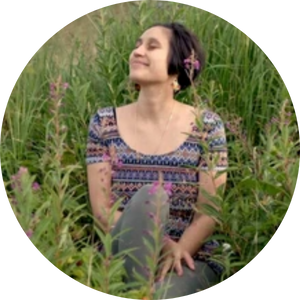
Mari is one of the few young people I would like to recommend on this page. Not because she is offering readings at the moment, although I am confident she will in the future. But because of her beautiful Tarot Deck: The Gentle Tarot.
She and I met at a metaphysical art convention; I believe she will be a pinnacle of good sense in the spiritual community in the coming age. We will need more people like herself, and as her mind opens, she will be able to help create more calm amongst the mess said society will become.
Her warmth, grace, and compassion coloured her aura, swirling between gentle yellows and greens. Her life in Alaska is undoubtedly prevalent within her.
I would highly recommend that you check out her artwork and tarot cards, and if you have not bought them already, I suggest that you do. The Tarot deck that she has created will serve you well on your journey with Spirit.
In the future, her psychic readings will become very accurate.
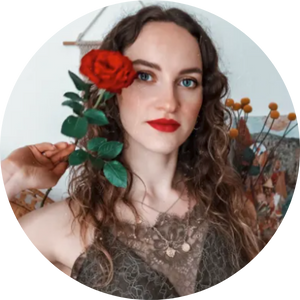
Leva is an incredible communicator, teacher and tarot reader. With her YouTube channel, she reaches many people and I have so grateful that I came across her work via my young relative.
I have never met Leva in person, we only spoke on the phone, but by even hearing her voice and connecting with her Spirit I know that she is genuine.
I believe that Leva will be a strong role model for other aspiring seekers in this space. Her guidance is incredibly strong, in particular, her guide Cilia is very prominent within her mind showing her the path moving forward. I can recommend her for psychic readings.
I am excited to see what happens for Leva in the future, but my sense is that it will be bright and expansive.
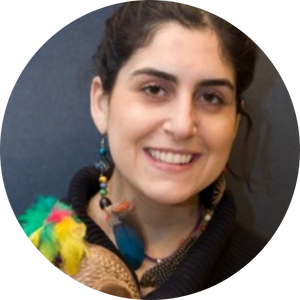
Sarah is one fine spirit on the spiritual path. The beautiful thing about her is that she does not only do readings, but she puts together the most brilliant evenings with food and people coming together for shared harmony.
I met her at one of her gatherings in NYC and I was blown away by her energy. She has a ton of promise and if she keeps on working on her practice I believe that she will become a brilliant medium for the people around her.
She is a healer, host and chef. A combination that is rare to find, but so incredibly precious and important. Healing is not only about the physical touch – but it’s also about creating spaces where people can come together to heal, and Sarah is already excellent at doing that.
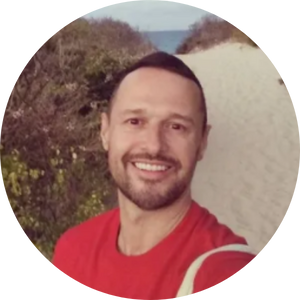
Raphael is a force of nature and it is so rare to meet men within this field. He is vibrant, energetic, authentic, and true to his roots with his Spanish background.
When we met, he took me out for the most gracious dinner, sharing his energy and presence with me. Raphael has a strong soul, with a powerful connection to spirit, his psychic and clairvoyant gifts. His approach is genuine, caring, and sometimes a touch extravagant, but that only adds to the experience.
He will be able to help you with any area of life: money, career, romance, relationships, professional, personal, health, wellness, you name it – he can help you out.
I could not recommend him enough. The warmth and healing that he can provide his clients with are priceless. He is also very accurate.
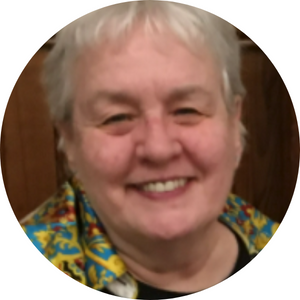
Linda is one of those people who are too humble for her own good. She is a very good psychic artist with many other skillsets too. I met her at her house in Maine, and she was welcoming, calm, kind, and generous towards me. Her drawings are very precise and convey the message Spirit intends to communicate via Linda.
When you see Linda, she will give you a physical piece for you to work with. She will bring forth messages from the dead and hopefully provide you with some direction or closure, depending on what you are looking for. As well as her psychic readings.
Linda brought forward a very special message to me at exactly the right time, which was helpful in terms of the next steps in my life. I am certain she will be able to help you out with the same.

What you will find below
I will also use this opportunity to share what people should look out for when booking a tarot reading, some of my latest thoughts on the topic, what new aspiring Psychic Tarot Readers should look out for and where I think the area is heading next.
I will forever be eternally grateful to my psychic source, the guides and Spirit.
What to look out for when booking your first psychic reading
Tarot cards, tarot readings have been gaining popularity over the last few decades. Many use them for entertainment purposes only, and now particularly with zoom, online tarot readings have expanded drastically.
When choosing your expert psychic, ensure that they have been carefully screened by someone else or come via a recommendation because no governing body has oversight.
First timers might feel uncomfortable by the experience because, at first, the whole session might feel unnatural when, in fact, it is not. Many keen psychics will have a satisfaction guarantee, and if they do not, I would reconsider if you should pick them.
The whole process should not last longer than 60-minutes, and almost everyone in the field would agree to this.
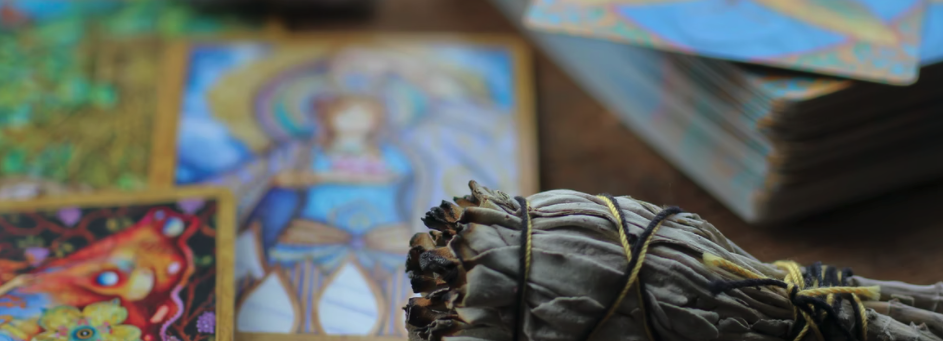
What can I ask at a tarot card reading?
A psychic should be able to give you advice on many different areas:
- Money
- Marriage
- Old relationships
- New relationships
- One’s life purpose
- Love life
- Life questions
- Professional life
- Career advice
- Spiritual guidance
- About the right path in life
You may wonder how accurate psychic readings and tarot card reading are, and is it the same as fortune telling? The accuracy of a reading depends on what is supposed to come forward in that sitting. We often have to find our way instead of giving advice on what to do next.
In terms of fortune telling, yes, psychic mediums will be able to provide you with pointers on what may show up in the future. At the same time, that is not only the purpose of a reading.
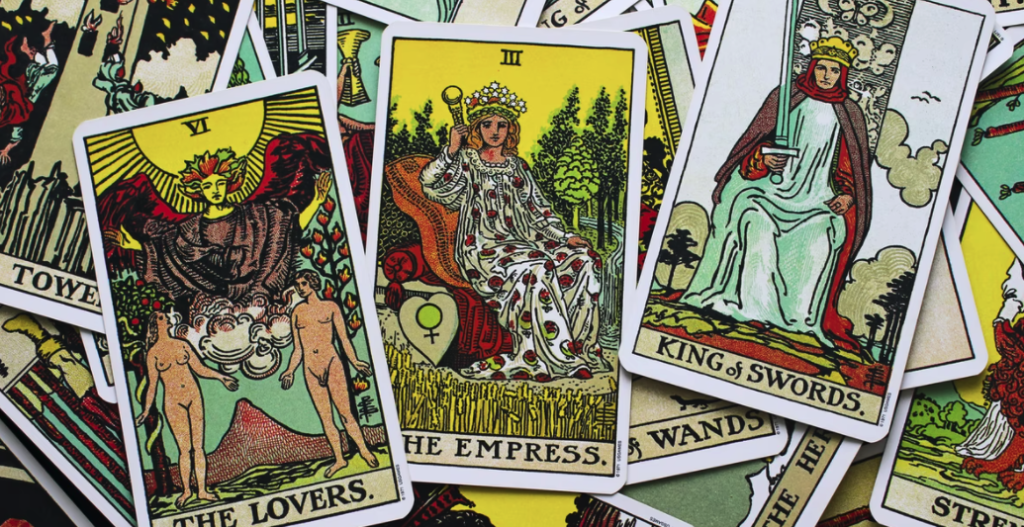
I like to think of the experience of a tarot card reading as spiritual readings, which are more holistic than only getting to know about the future.
Historically, I only did sessions in person; however, I see on many psychic websites that they offer online tarot readings, chat readings, online chat, phone calls, and live video. Some are only online psychics.
Most psychic tarot card readers adhere to a robust code of ethics, and all their clients will attest to this. If they do not, I would reconsider working with them.
Are there other practices psychic readers would use instead of tarot cards?
Yes, there are many paths to walk to receive a reading.
A practitioner may use palm reading, astrology readings, aura reading, tea leaf reading, only to mention a few. All of them are excellent approaches to receiving advice related to future events.
Choosing your first Tarot Deck
The Tarot is an excellent way to practice your psychic abilities in addition to meditation.
Many say that you have to be gifted your deck, that is not the case. You can choose one all by yourself. To find the right deck for you, link in with your guides in meditation, and then start browsing either in-person at a store or online.
Your guides will direct you towards the deck that will serve you the best. When you have found the correct deck for you, start working with it. The tarot cards will want to work with you. Because you can read tarot cards too.
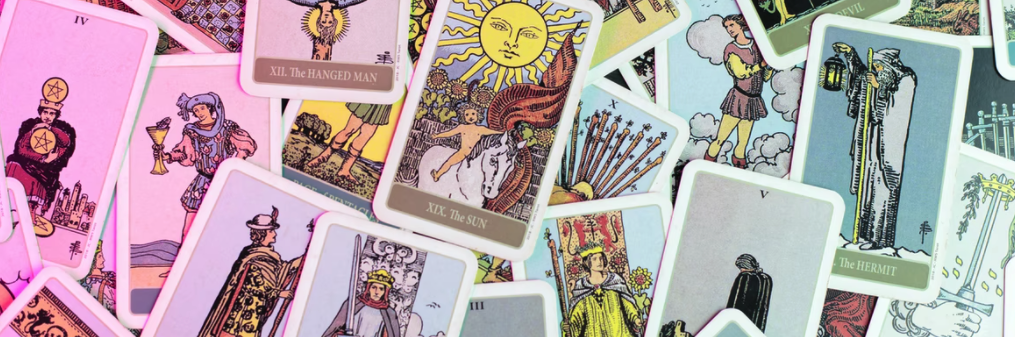
For example, every morning, after your meditation, pick a tarot card and see what feelings, thoughts and sensations come towards you to write them down. Try not to look up the meaning of the card. Reflect over how that card showed up in your day at the end of the day.
If you want to start working professionally with the deck, I would highly recommend offering free tarot card readings for a while until you feel comfortable with your psychic abilities.
Where does the psychic area need to go next?
I think the age of mystics, seers, and mediums is beginning to come to an end. If they want to, the people will be given the tools to access this power themselves. All of us have the universe within us, and this access should not be limited to the chosen few.
As psychics, we have a job to make this work accessible to more people. So that people are not put off by joining us on this journey. We are not here to tell people what to do anymore; we are here to help people access that universal guidance within themselves.
I think this change will take time, but I think this will certainly be possible with a concentrated effort by the many, which I have seen in this future.